MSI
MSI MAG X670E Tomahawk WiFi Motherboard AMD X670 Socket AM5
optionATX
Quantity
Description
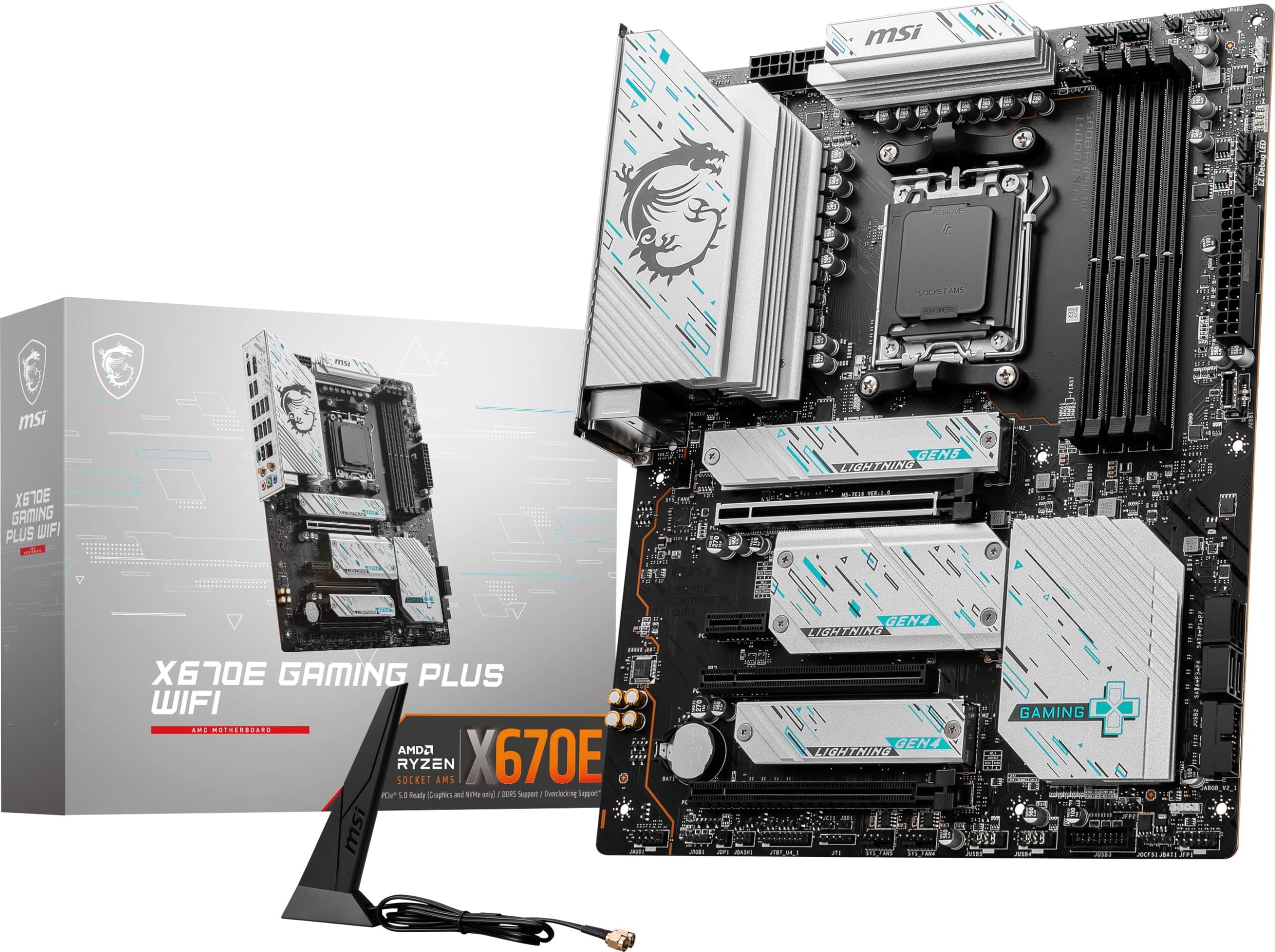
MSI MAG X670E Tomahawk WiFi Motherboard AMD X670 Socket AM5 — a real MSI motherboard, pictured exactly as sold in the wild. Window-shop it guilt-free.
About the MSI MAG X670E Tomahawk WiFi Motherboard AMD X670 Socket AM5
The MSI MAG Tomahawk X670E is a motherboard for builders assembling a modern AMD platform who want enthusiast-level features without paying flagship prices. MSI's MAG line has long occupied that sweet spot between budget boards and top-tier ones, and the Tomahawk X670E extends it to the current AM5 generation with the VRM headroom and connectivity serious builds need. It's aimed at builders who want room to grow into higher-end CPUs down the line without needing a full board swap.
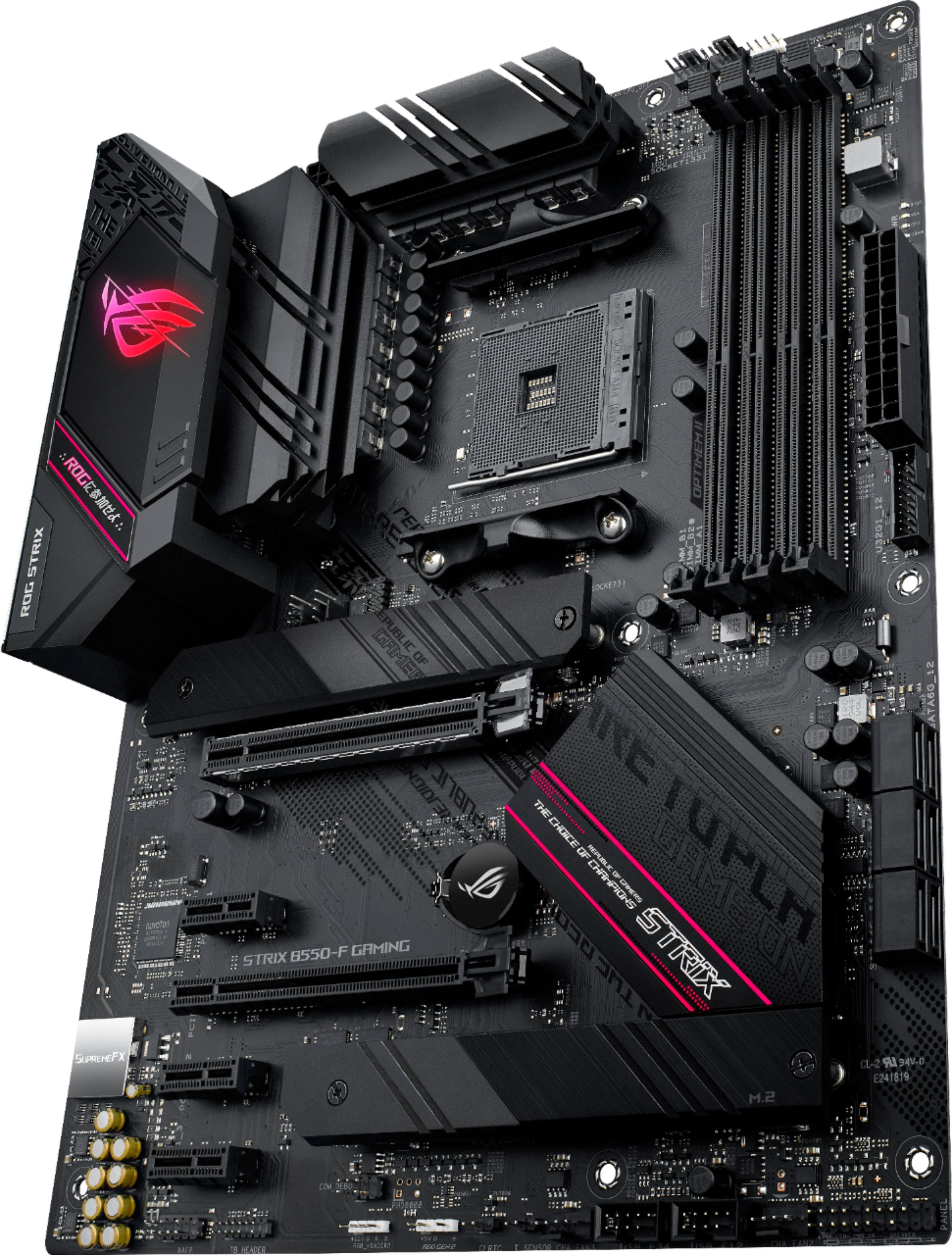
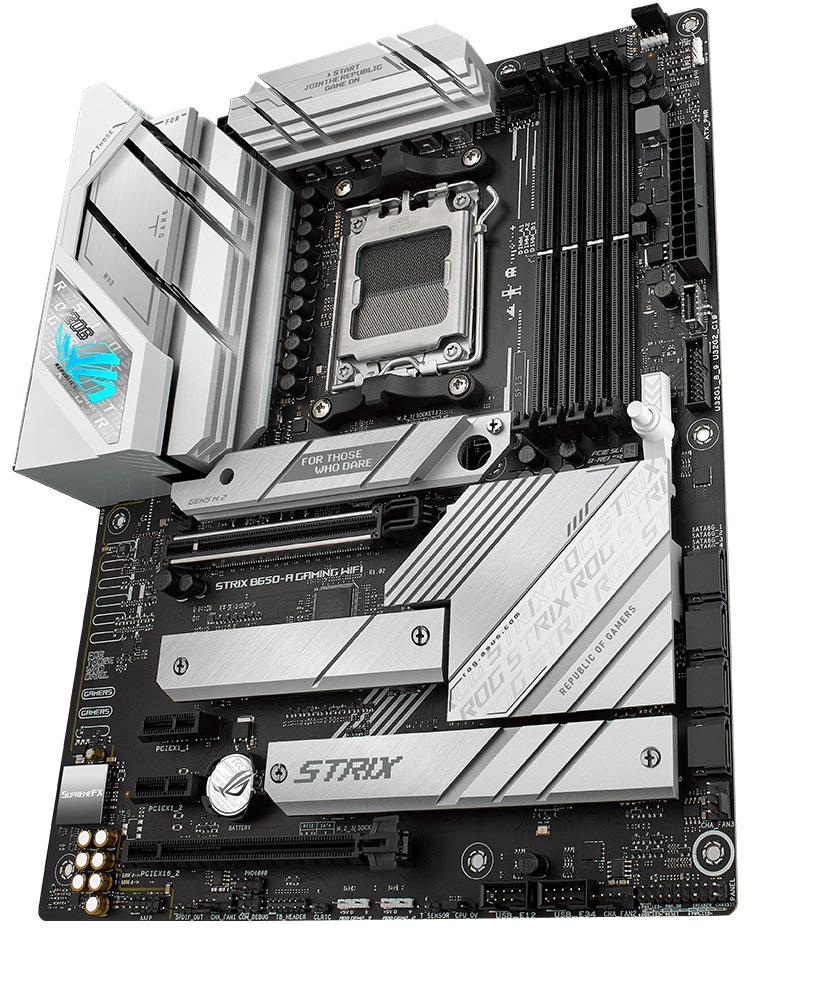
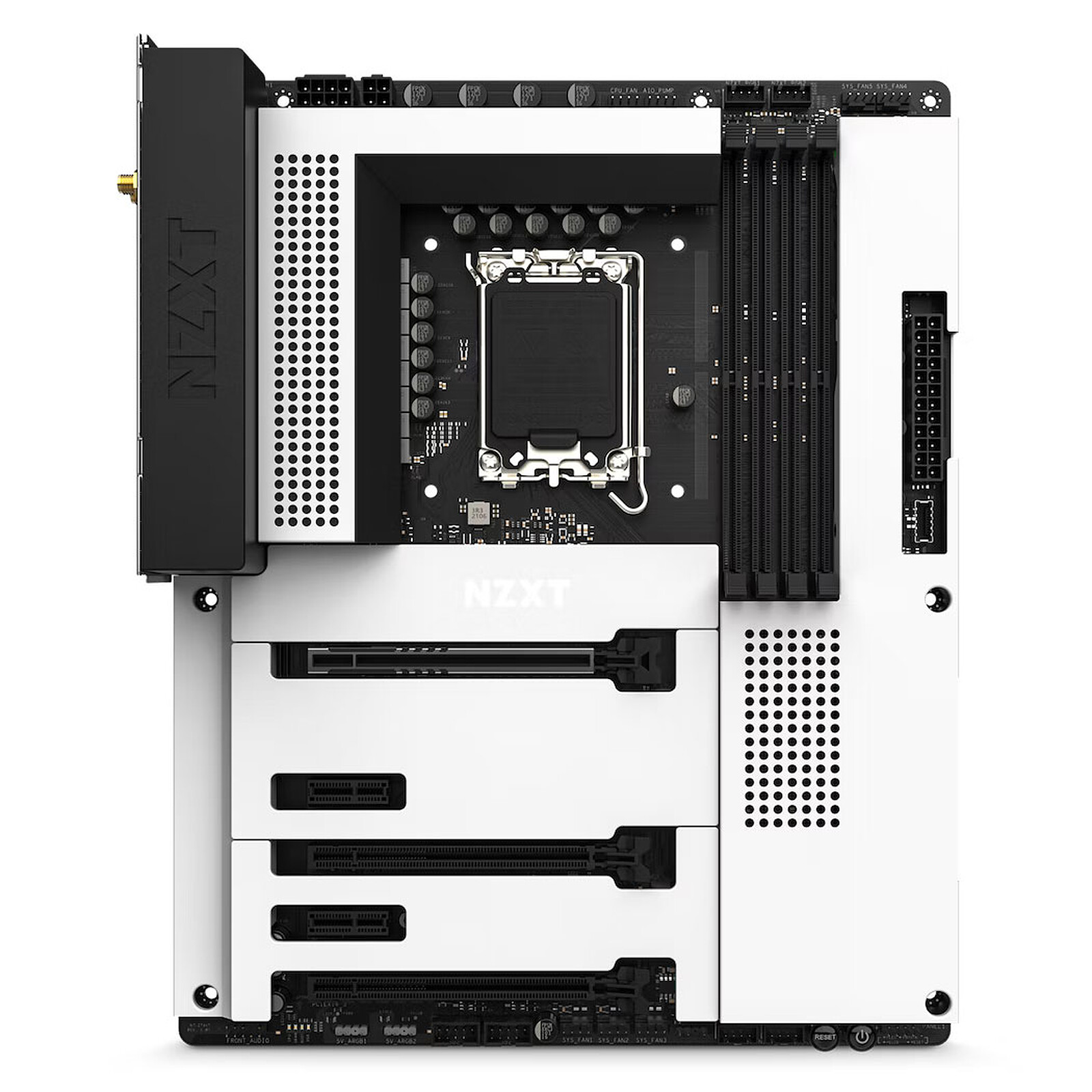
It stands out for offering real form-factor choice — ATX, Mini-ITX, and E-ATX variants — so builders aren't forced into one chassis size to get X670E chipset features, a flexibility that's rarer than it should be at this tier. Whether the build is a compact ITX rig or a full-tower workstation, the same core feature set carries across all three sizes.
Where it shines
- A builder assembling a high-core-count AMD workstation picks the ATX variant for its VRM headroom under sustained multi-thread loads. That extra power delivery margin matters for workloads that keep the CPU at high utilization for hours.
- Someone building a compact small-form-factor PC chooses the Mini-ITX version to fit X670E chipset features into a shoebox-sized case. It's a rare case of not having to sacrifice chipset-level features just to go small.
- A builder future-proofing a gaming rig for next-generation AMD CPUs relies on the board's chipset support to avoid a full platform rebuild in a couple of years. That longevity is part of the appeal of committing to the AM5 platform now.
Is it right for you?
At $286.23, discounted from $324.75, the Tomahawk X670E is priced as a mid-to-upper motherboard, which tracks with the X670E chipset's inherent cost over cheaper B-series boards — the discount works out to roughly 12%. A 4.92 rating across 11,853 reviews suggests reliability holds up across the range of builds people put it in, from compact ITX rigs to full ATX towers. Builders should choose the form factor first based on case compatibility, since all three variants share the same chipset-level features, and the price difference between them is generally smaller than the difference between chipset tiers.
At a glance
- Chipset
- AMD X670E
- Form factors
- ATX, Mini-ITX, E-ATX
- Platform
- AM5 socket, current-gen AMD CPUs
- Memory
- DDR5 support
- Category
- Motherboard — build component
- Expansion
- PCIe 5.0 and multiple M.2 slots depending on variant
Frequently asked questions
Which form factor should I pick for a first-time build?
ATX is the safest default for compatibility with most cases and cooling, while Mini-ITX suits small builds and E-ATX suits high-end multi-GPU setups. First-time builders generally have an easier time sourcing ATX-compatible cases and coolers.
Does this board support DDR5 memory?
Yes, the X670E chipset and AM5 platform are built around DDR5, so DDR4 kits from older builds aren't compatible. Buyers upgrading from an older AMD platform should budget for new memory alongside the board.
Is it good for future CPU upgrades?
The AM5 platform is AMD's current socket generation, so builders can expect several CPU generations of compatibility without a motherboard swap. That's a meaningful advantage for anyone planning to upgrade the CPU down the line without replacing the whole platform.
How does reliability compare across the three variants?
The 4.92 rating spans reviews across all three form factors, with no single variant standing out as notably less reliable than the others. That consistency suggests the core board design is solid regardless of the size chosen.